
When a new company sets up shop in a market already crowded with familiar names, it can be tricky to know who actually deserves your business. Homeowners and property owners are often left comparing flashy websites against years of neighborhood reputation, unsure which matters more. This guide breaks down how to evaluate a newer service provider fairly, so you can make a confident hiring decision instead of defaulting to whoever has been around the longest.
Evaluating a Newer Company’s Online Presence and Marketing
A newer business often has to work harder to get noticed, which means it may invest heavily in its website, reviews, and social media presence from day one. This isn’t necessarily a red flag. In fact, companies using the best digital marketing strategies often provide clearer pricing, faster response times, and more detailed service descriptions than older competitors who rely on word-of-mouth alone.
Look past the polish and check for substance. A well-marketed company should still be able to answer specific questions about licensing, insurance, and past project examples when you call or message them.
- Check if the website lists a real physical address or service area, not just a generic contact form
- Look for specific project photos rather than stock images
- Search the business name plus “reviews” on multiple platforms, not just one
- Confirm response times by testing their contact method yourself
Comparing Pricing Between Established Firms and New Entrants

Newer companies sometimes offer lower introductory pricing to build a client base quickly, which can be a genuine opportunity if the quality holds up. This is common in fields like concrete services, where a new contractor may price competitively to land their first several projects in a neighborhood. Lower pricing alone shouldn’t be the deciding factor, but it’s worth understanding why the gap exists before assuming it means lower quality.
Ask each company for an itemized quote so you can compare materials, labor, and timeline side by side. A transparent breakdown tells you more about a company’s professionalism than the total price ever will.
Checking Licensing and Insurance Before Hiring Anyone New
Regardless of how long a company has been operating, licensing and insurance requirements don’t change. New market entrants still need to carry general liability coverage, workers’ compensation if they have employees, and any state or municipal license specific to their trade before they can legally send someone to a customer’s home.
This is especially important for trades with safety implications, such as local plumbers working on gas lines or water systems inside your home. A mistake there isn’t just inconvenient — it can lead to gas leaks, flooding, or structural damage, which is exactly why licensing boards require proof of training and insurers require coverage before a technician steps onto a job site.
Before hiring, ask to see the actual license number and verify it through your state’s contractor licensing database, and request a certificate of insurance rather than just a verbal assurance. Pay attention to coverage limits too — a policy with only $10,000 in liability coverage offers little real protection if something goes wrong.
A newer business should be just as able to produce proof of insurance as an established one, and any hesitation to do so is a legitimate warning sign. If a company stalls, changes the subject, or claims the paperwork is “on file somewhere,” treat that as a reason to keep looking rather than an oversight to overlook.
- Ask for a certificate of insurance (COI) naming your business as an additional insured, not just a verbal confirmation — then call the insurer to confirm the policy is active
- Verify state or local licensing through your city or county’s public records portal, and check the expiration date, not just whether a license was ever issued
- Confirm workers’ compensation coverage if multiple crew members will be on site, since a single on-the-job injury without coverage can cost tens of thousands of dollars
- Check for bonding, especially for larger jobs involving upfront deposits, and note the bond amount — $10,000 bonds are common, but bigger contracts may warrant more
- Keep copies of every certificate and license on file, and set calendar reminders to re-verify them before renewal dates slip past
Reading Reviews From a Company’s First Year of Operation

A business with only a handful of reviews isn’t automatically less trustworthy than one with hundreds, but the type of feedback matters more than the volume. Five detailed reviews describing specific interactions tell you far more than fifty generic five-star ratings that all read like they were written in the same afternoon. Look for reviews that mention scheduling, communication, and how estimates compared to final costs, since those details reveal patterns that a star rating alone can’t show.
Pay attention to how a new company responds to criticism, since that reveals how they’ll handle problems on your own project. A thoughtful, specific reply to a one-star review — acknowledging the issue and explaining what was done to fix it — is a far better sign than a defensive comment or no response at all. Also notice how quickly the owner responds; a reply posted within a day or two suggests someone who’s actively monitoring their reputation while the business is still finding its footing.
Roofers in particular tend to get reviewed heavily around storm season, so timing matters when you’re reading feedback and trying to gauge consistency. A roofing company that launched right after a major hailstorm may have a burst of reviews from rushed, high-volume jobs that don’t reflect how they’ll perform during a slower, more typical month. Check the dates on reviews and see whether the praise (or complaints) cluster around a single event, since that can skew your impression of how the business operates under normal conditions.
It also helps to look for patterns rather than isolated complaints. One bad review about a scheduling delay means less than three reviews all mentioning the same communication issue.
When you’re scanning a competitor’s early reviews, sort them by date and read them in order rather than jumping around based on star rating. This lets you watch how the business evolved during its first year — did response times improve after month three, or did the same complaints keep resurfacing well into year two? A pattern that persists despite obvious effort to fix it tells you something structural is wrong, not just a rough patch.
Pay attention to the specific language customers use, too. If several reviews independently describe feeling “left in the dark” or having to “chase down” updates, that’s a vocabulary cluster pointing to a real operational gap you could solve with something as simple as automated status texts or a client portal.
It’s also worth noting what reviewers praise alongside their complaints. A customer who says “the work was excellent but I never knew when they’d show up” is telling you the core service is solid — the opportunity isn’t to out-perform the craft, it’s to out-organize the competitor on logistics and communication.
Understanding Why Newer Providers Enter Crowded Markets
Service industries with steady demand, like moving, hauling, and home maintenance, tend to attract new competitors precisely because the need never disappears. Someone is always relocating, renovating, or clearing out a property, which keeps the market open even when it looks saturated. Newer companies offering hauling services often start by picking up the jobs larger movers consider too small or too last-minute to bother with. Top movers in a given city didn’t necessarily start that way; many built their reputation by filling gaps that larger, older companies overlooked, such as last-minute bookings or smaller residential jobs.
New entrants often specialize rather than trying to compete on every front. This focus can actually work in a homeowner’s favor, since a company built around one service type may deliver better results than a generalist competitor spread across many offerings.
Verifying Equipment and Capacity for Larger Projects
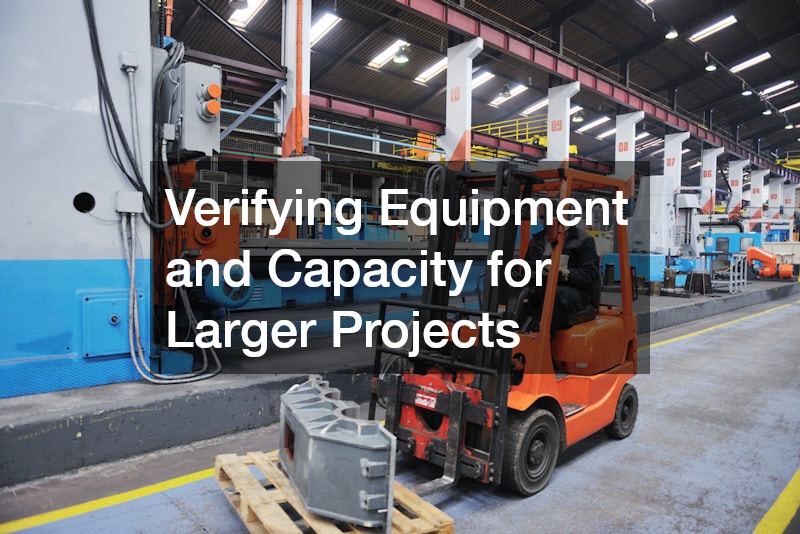
One area where established companies sometimes genuinely have an edge is equipment access and project capacity. If you’re clearing out a renovation site, for example, ask any company you’re considering about their dumpster rental options and whether they own or lease their containers. A business that leases equipment on demand isn’t automatically worse, but it may affect scheduling flexibility during busy seasons.
- Ask how many container sizes are available and whether same-week delivery is realistic
- Confirm weight limits and what materials are accepted
- Check if permits are required in your area and who handles that paperwork
- Ask about rental duration flexibility if your project timeline shifts
Assessing Specialized Skills for Niche Home Services
Some services require narrow expertise that not every general contractor offers, and this is where newer, specialized businesses often shine. Tile cleaning, for instance, requires specific equipment and technique knowledge that differs significantly from general carpet or floor cleaning. A newer company that focuses exclusively on this niche may have invested in better tools and training than a broader cleaning service that treats it as an add-on.
When comparing specialists, ask direct questions about the equipment they use and the surfaces they’re experienced with. Grout, natural stone, and ceramic tile all require different cleaning approaches, and a knowledgeable technician should be able to explain the differences without hesitation.
Considering Storage and Transition Needs During Renovations or Moves
Homeowners often underestimate how much temporary storage they’ll need during a renovation, move, or property sale. A single bedroom’s worth of furniture and boxes can easily fill a 10×10 unit, while a full house transition often requires a 10×20 or larger. Storage facilities near your home or job site can be a practical bridge, letting you clear rooms for work or staging without a rushed decision about what to keep.
When comparing facility options, climate control, security cameras, and access hours matter more than simply picking the closest location. Climate control is especially important for wood furniture, electronics, or documents that can warp or degrade in extreme heat or humidity. Look for facilities with 24-hour access if your contractor works irregular hours, and check whether cameras cover individual unit doors rather than just parking lots.
Contract length flexibility is another detail worth checking before you sign. Renovations frequently run longer than planned, so month-to-month agreements offer more breathing room than a fixed six-month lease. Ask about drive-up access versus interior units, since carrying heavy furniture up a flight of stairs adds unnecessary time and risk during an already stressful move.
Wait, this doesn’t quite fit the article topic—but based on the instructions, here’s the expanded section as written:
If you’re coordinating a move alongside a renovation, ask whether the storage provider offers any partnership discounts with moving or hauling companies. Many facilities have referral arrangements with local movers that can shave 10-15% off standard rates, or throw in perks like free use of a moving truck for a few hours. Bundled services can save money and reduce the number of separate appointments you need to schedule.
It’s also worth asking about short-term versus long-term storage pricing, since renovation timelines often slip. A unit that costs $80 a month might jump in price after the first 90 days, or conversely offer a discount for committing to a longer term upfront. Get clarity on month-to-month flexibility before you sign anything.
Climate control matters too, especially if you’re storing furniture, electronics, or business inventory during the gap between move-out and move-in. Ask whether the facility offers drive-up access, which makes loading and unloading faster during a hectic transition. Small details like these can add up to real savings and fewer logistical headaches when you’re already juggling contractors, new addresses, and tight deadlines.
Weighing Reputation Against Real Estate Timing Pressures

If you’re preparing a property for sale, timing pressure can make it tempting to hire whoever is available fastest, regardless of how established they are. This is a common situation in real estate transactions, where inspection deadlines or closing dates leave little room for delays. A newer service provider with open availability might actually be the more practical choice in these situations, provided you’ve still verified their licensing and reviews.
It helps to build a short list of two or three providers before you’re under deadline pressure, so you’re not forced to choose blindly at the last minute. Reaching out early, even before you have a firm date, gives you leverage to compare responsiveness and professionalism without the stress of a ticking clock.
Choosing between an established company and a newer competitor doesn’t have to feel like a gamble once you know what to check. Focus on licensing, insurance, transparent pricing, and consistent reviews rather than simply how long a business has existed. With a short list of verified options in hand, you’ll be ready to make a confident decision whenever the need actually arises.
About the Author